 oldexeterinn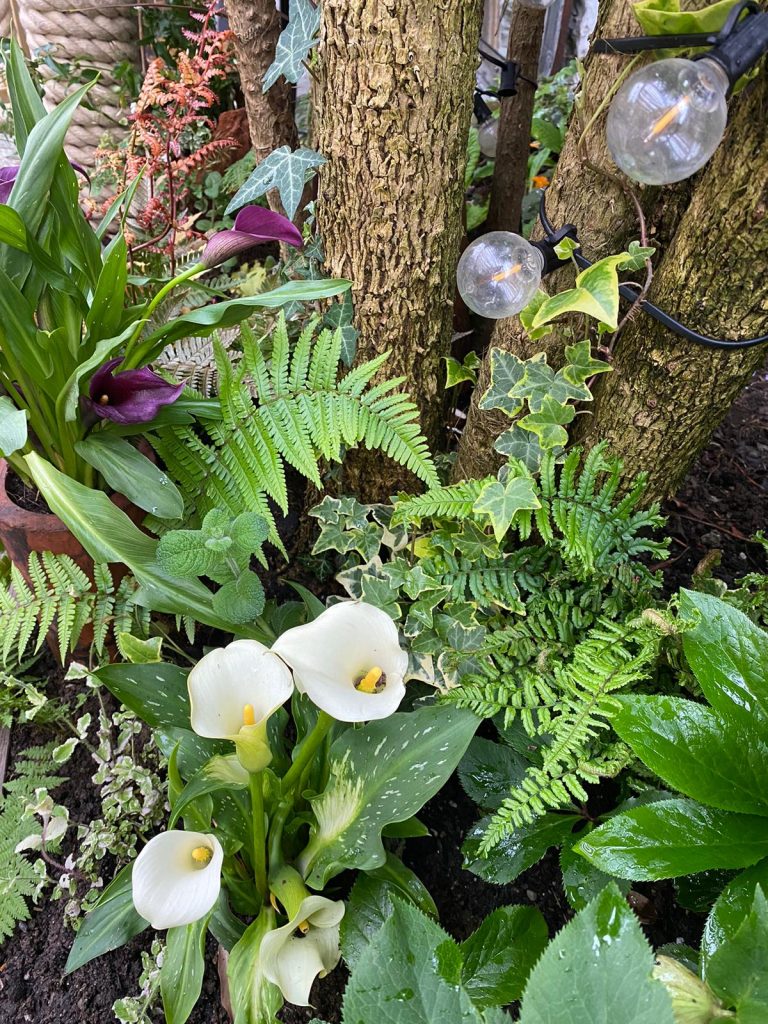
The Apothecary Garden: A Tudor Revival
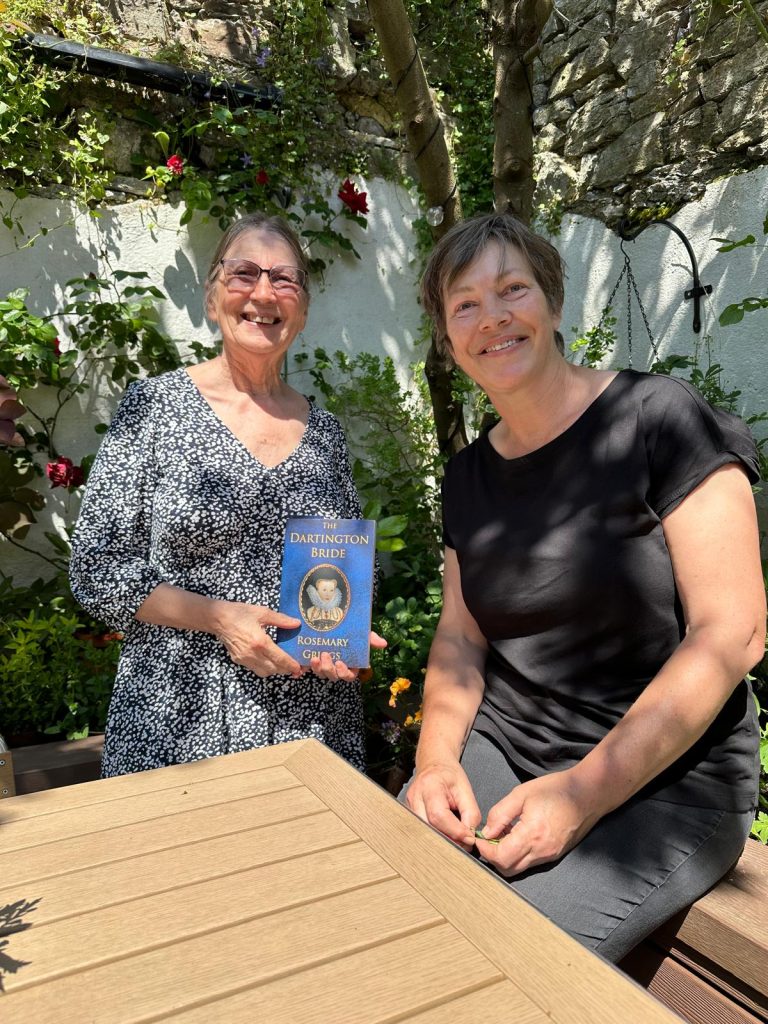
This special project, begun in 2023 and led by a dear friend, pays homage to one of the most fascinating chapters in the inn’s near 900-year history.
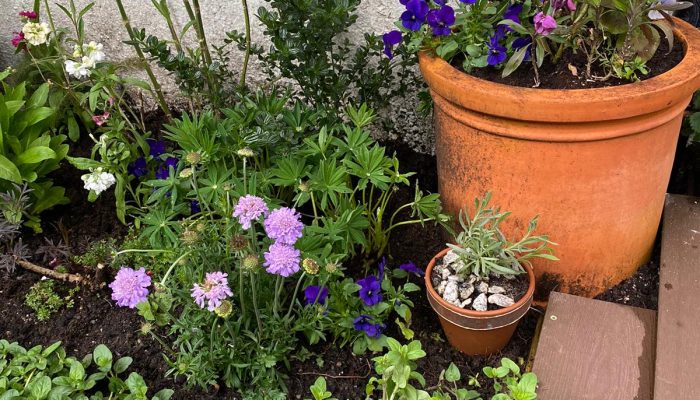
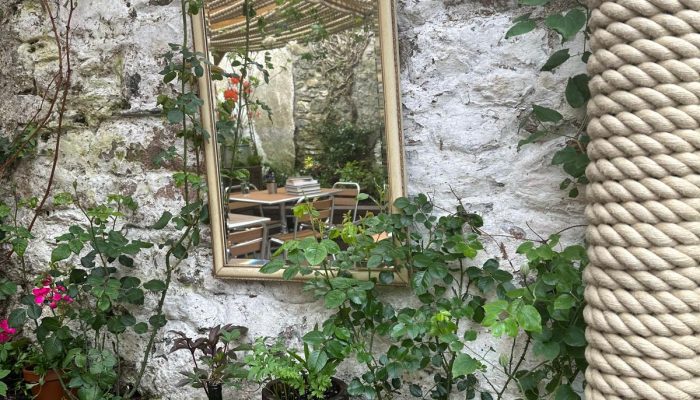
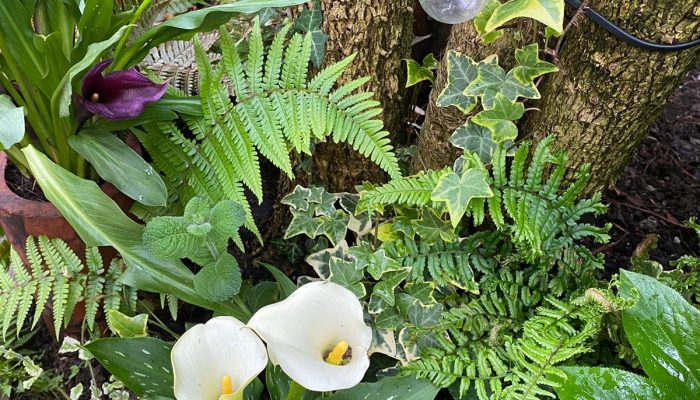
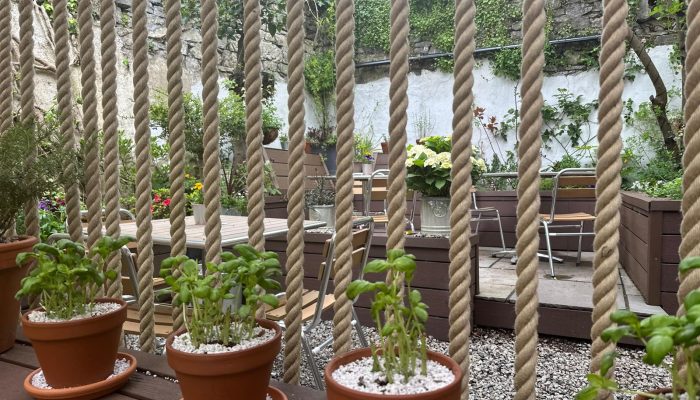
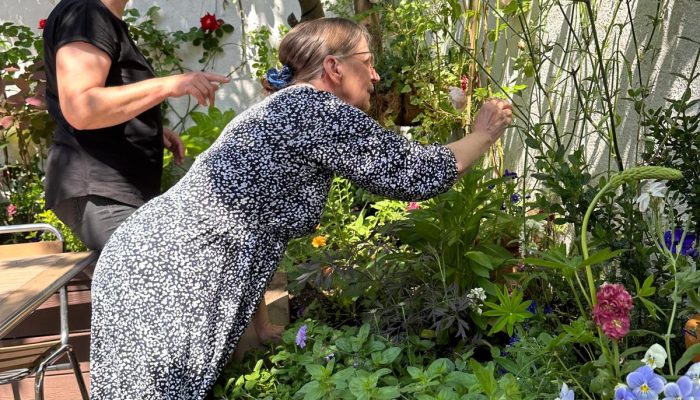
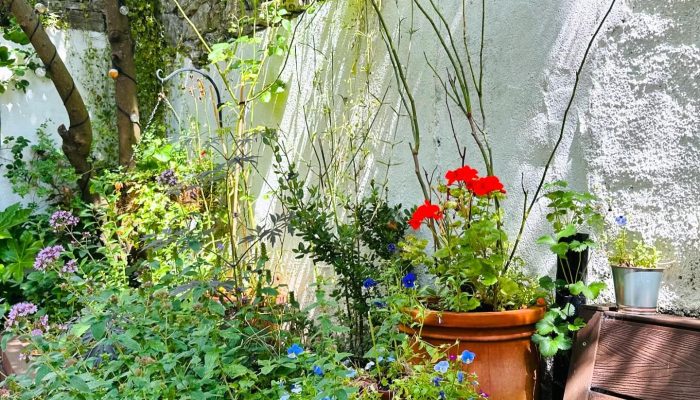
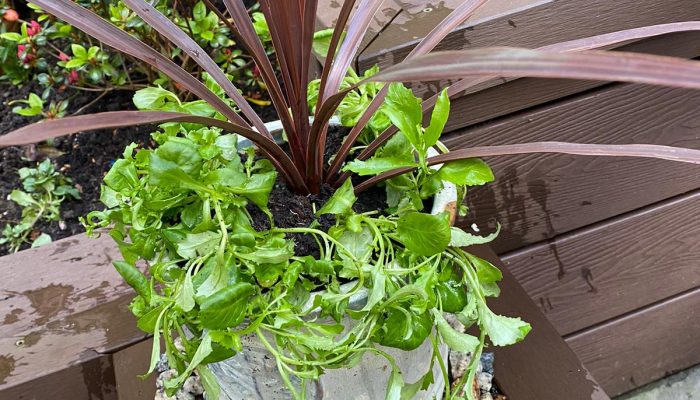
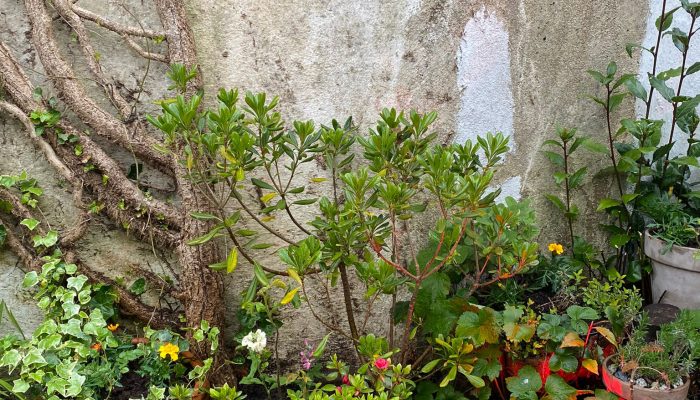
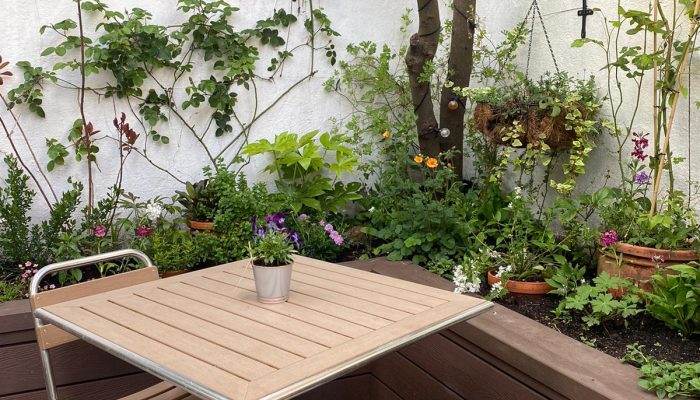
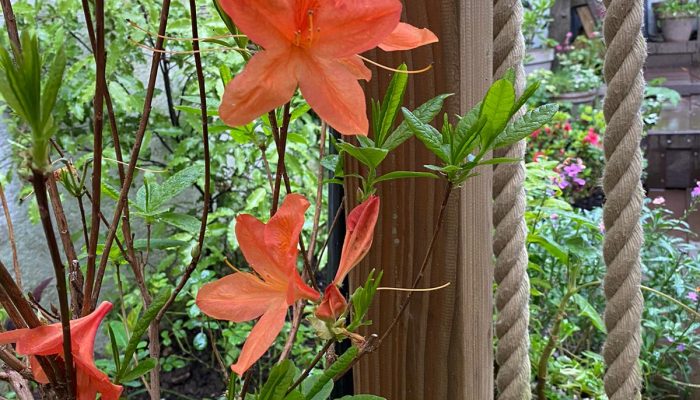
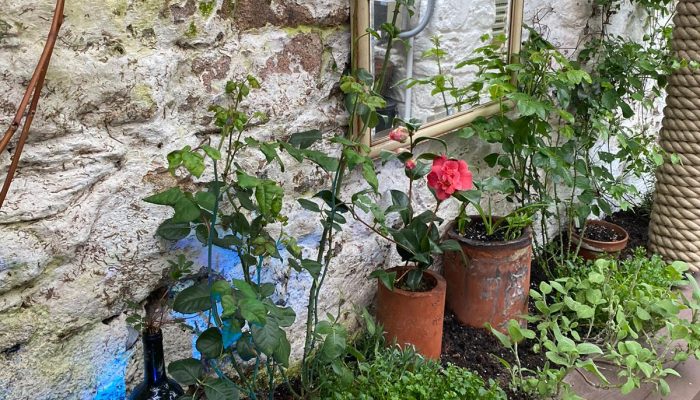
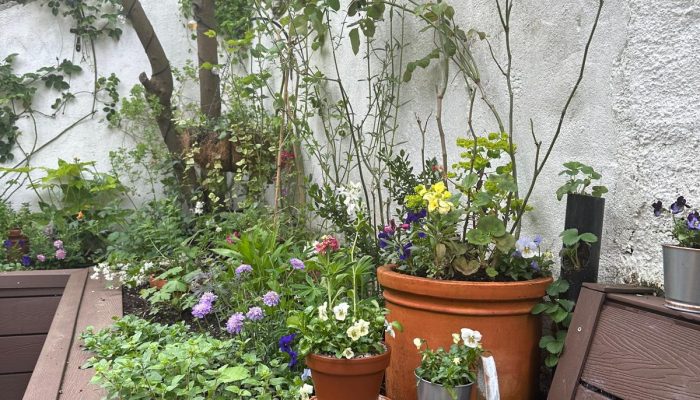
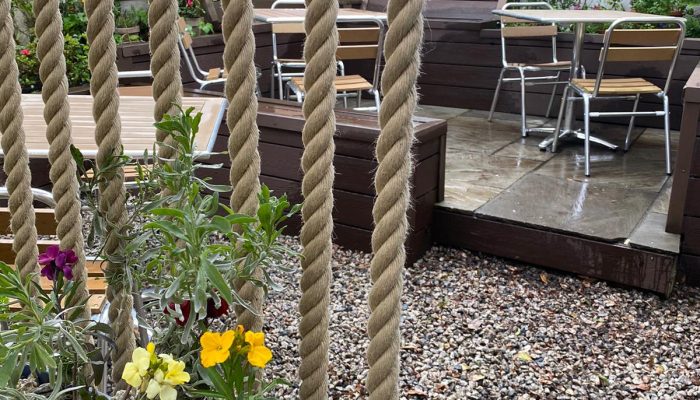
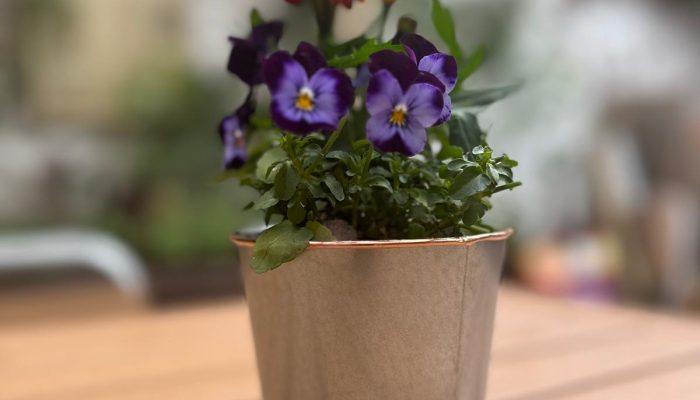
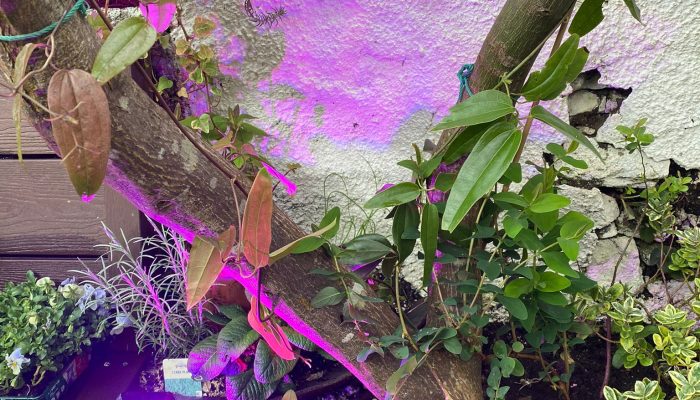
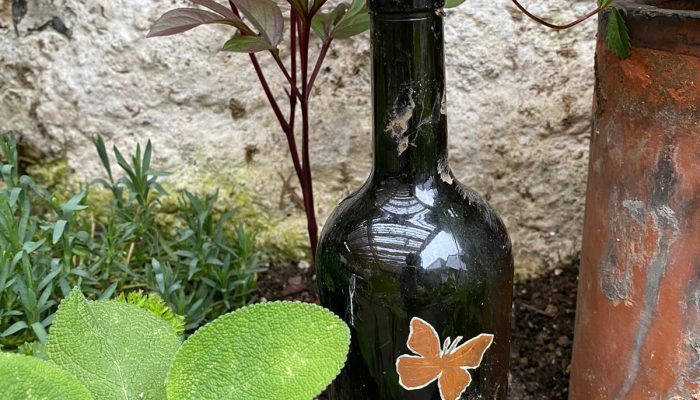
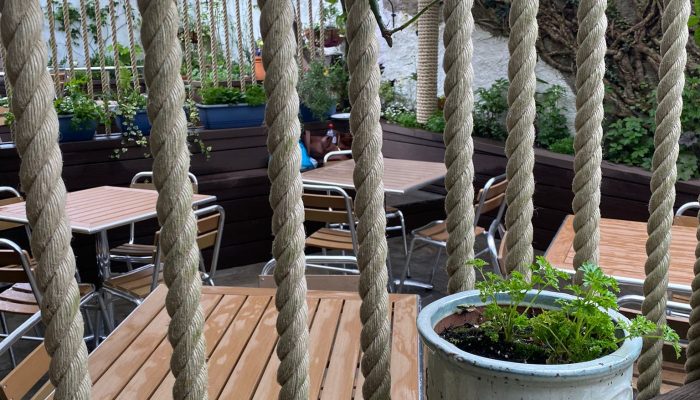
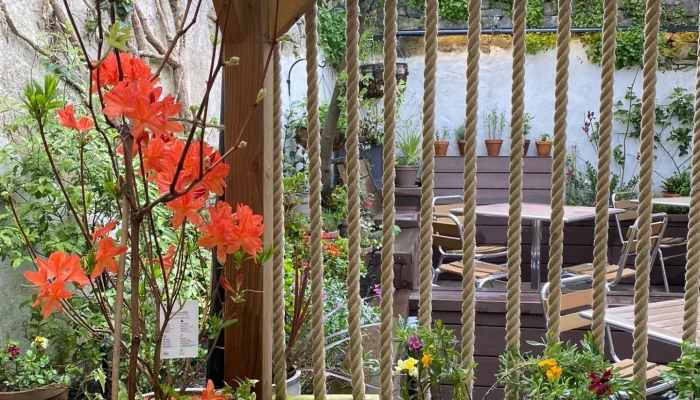
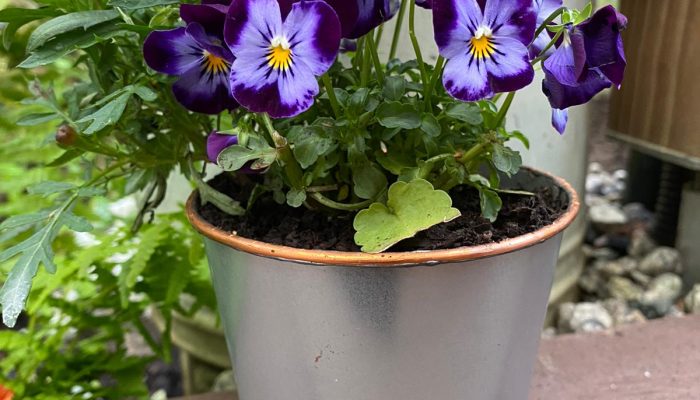
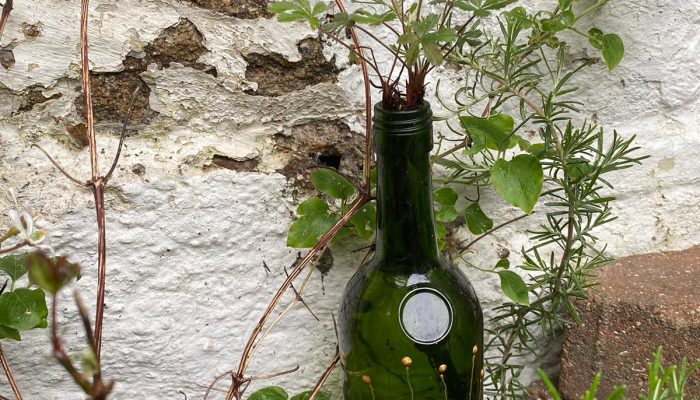
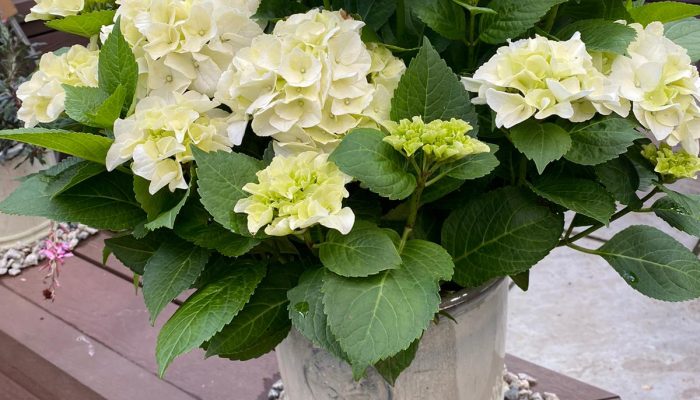
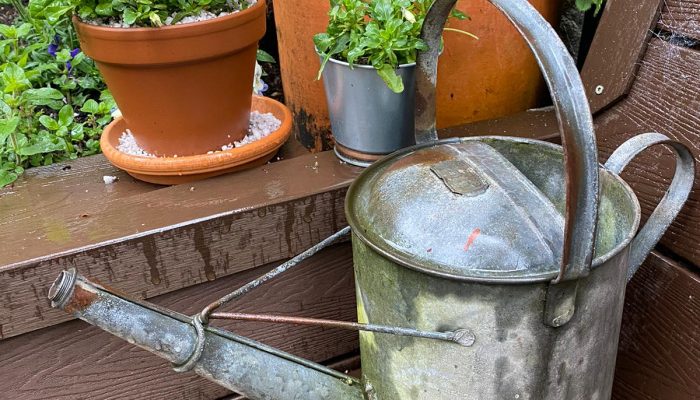
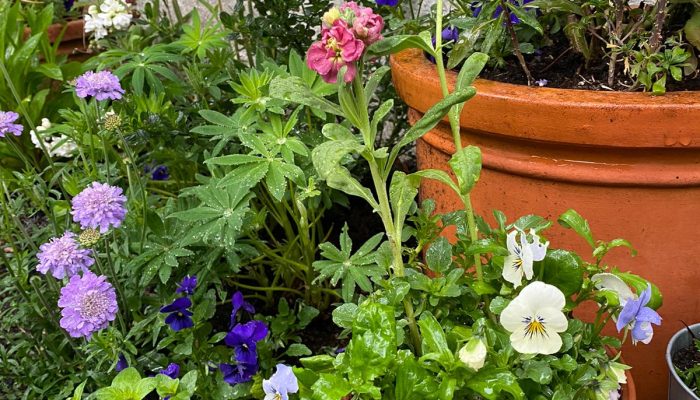
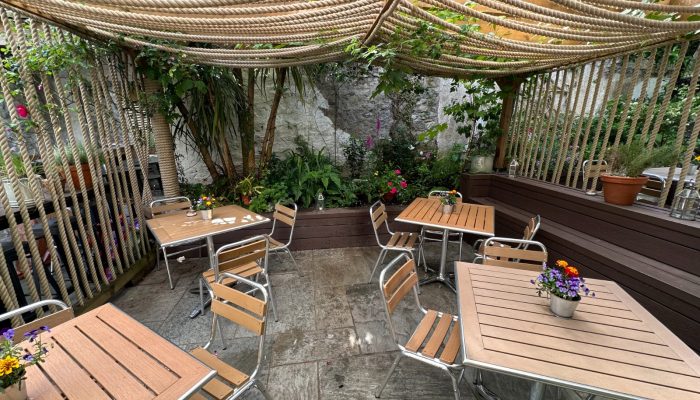
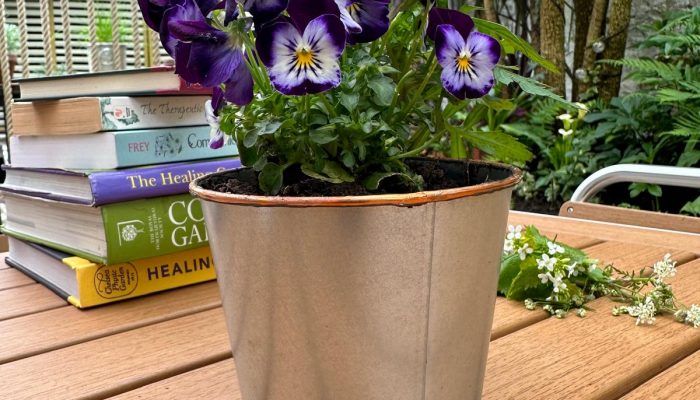
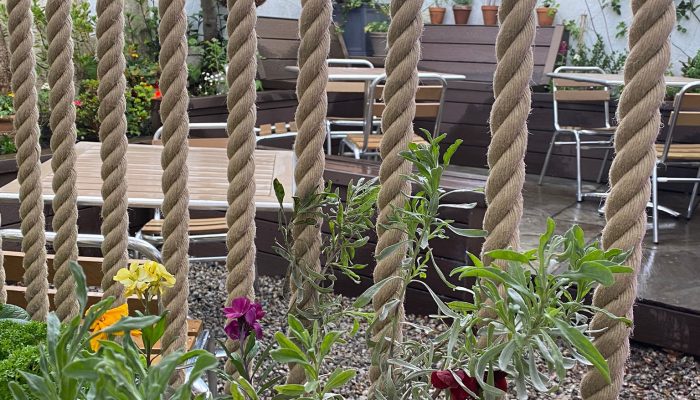
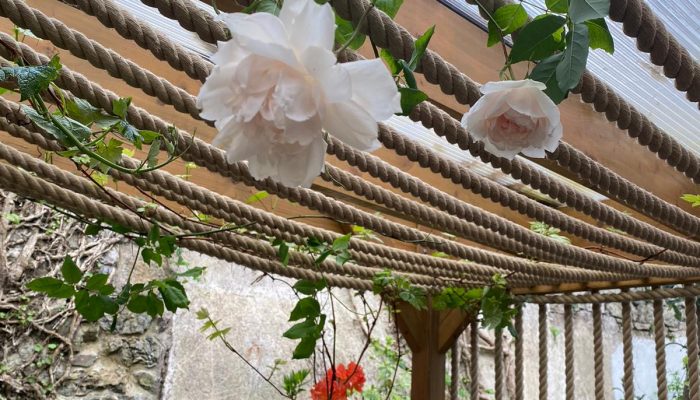
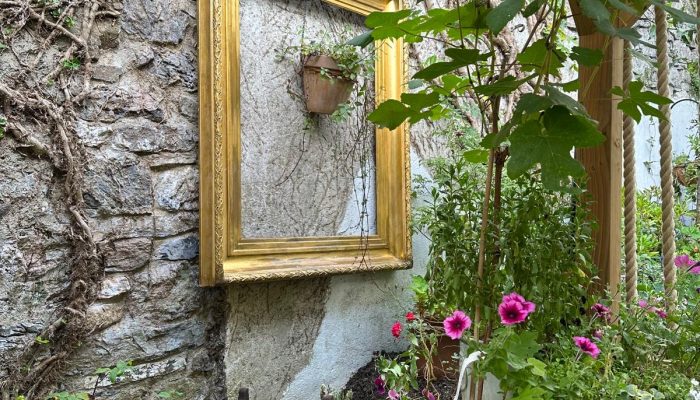
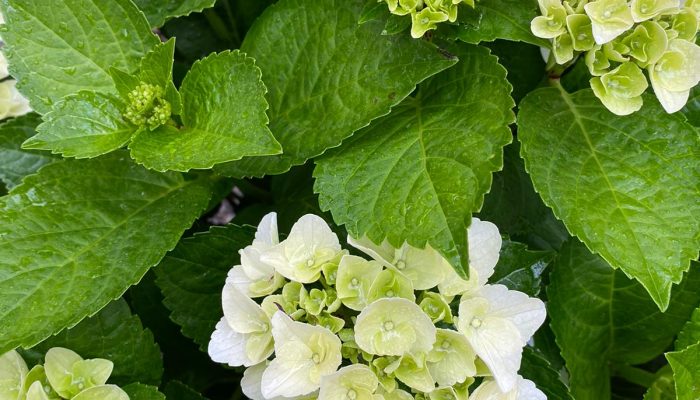
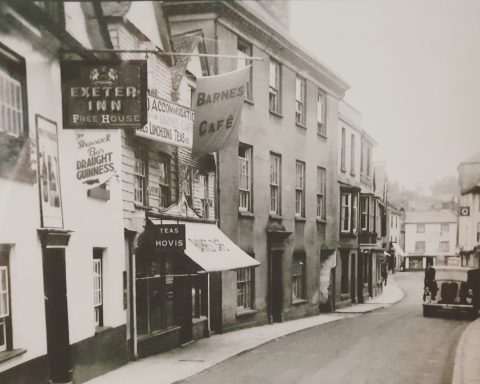
Among the Old Exeter Inn’s regular patrons were the great Tudor explorers, privateers and statesmen Sir Francis Drake and Sir Walter Raleigh – the latter famously arrested here for treason against King James I on 19th July 1603. They would have known many of the plants now growing again in our garden. In their day, this was a stable yard – and horses were still being led through the front door of the inn right up until 1913.
Features of the Garden
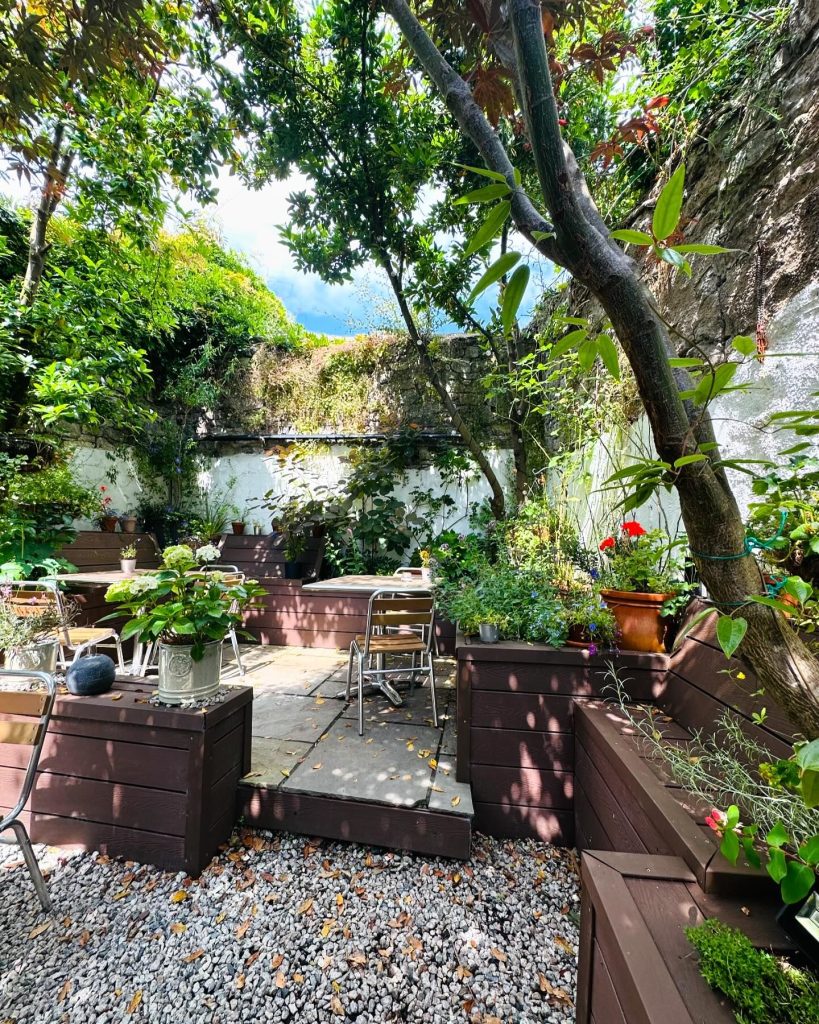
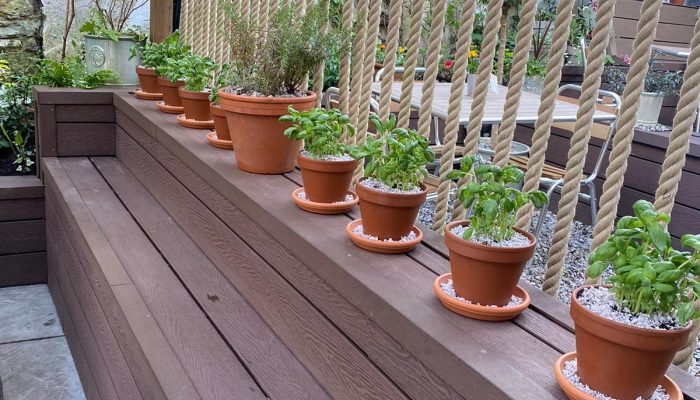
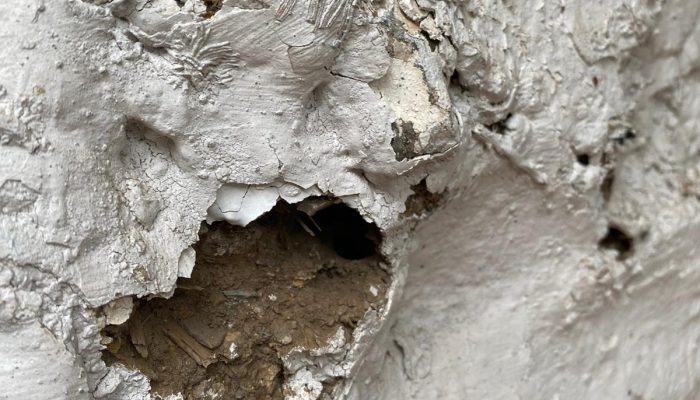
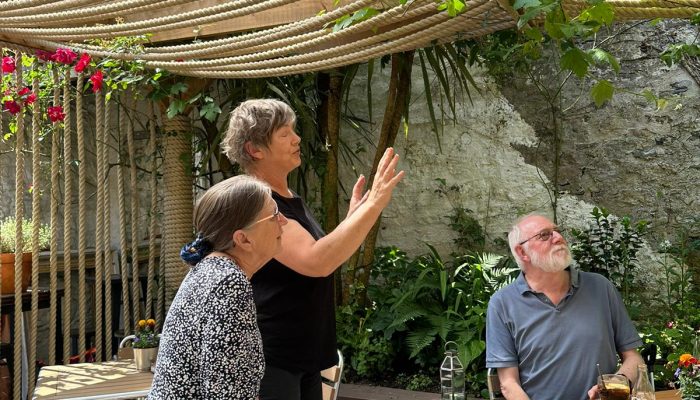
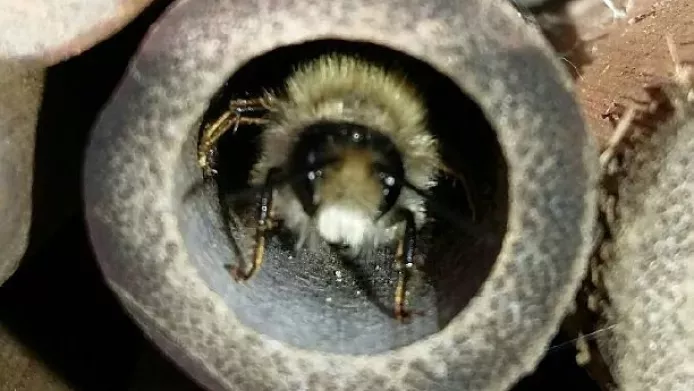
There are a number of important features about the garden. It is walled (15ft high) so protected from the worst weather, and some of the original stonework is visible – including the arch that originally led through to the stables. The rope design is a nod to our nautical history (there is a whole mile of rope in the covered structure). The wall to the right as you walk into the garden is of cob construction, and you may be lucky enough to spot our solitary bees who have made their little homes inside the wall. They have burrowed out small holes. Then they reverse in and peep out!
Why an apothecary garden?
Well in the words of Soren Kierkegaard (1813–1855) – “Life can only be understood by looking backward; but it must be lived looking forward”.
Here we have the opportunity to go “back to the future” to a time when the only medicines, seasonings and remedies came from the plants that were homegrown, with many introduced by the explorers of the time. This is the point when the Chelsea Physic Garden was created (1673) and where Apothecaries learnt how to use plants to heal.
The wisdom of looking back (and forward)
The world is rediscovering these ancient wisdoms and the therapeutic benefits that gardens can bring, awakening our senses of smell, taste, touch, and visual excitement from the array of herbs, aromatic flowers and plants that can be cultivated in such a space.
And in the future, to be sustainable and lower our carbon footprint, what could be better than to harvest from a garden that sits next to our kitchen, as it always was the way from humble homes to the great monastery gardens like at Buckfast Abbey. And that’s exactly what we do, here and now.
We grow all our herbs at the inn
All the herbs that we use in the kitchen are grown here, in the garden and in special grow zones on the roof. Every available inch is used to produce what we need. We even capture the rainwater to nourish our plants naturally. So we really are bringing this garden into our kitchen and our bar – creating rose petal sorbets and tisanes (healthy concoctions and infusions of aromatic herbs and plants) from the leaves of our many different herbs. Our wide selection of gins, many of which are botanical, are dressed with rosemary, lavender, lovage and berries. Our lovely homemade meals are often garnished with delicate edible petals and leaves!
Take some history home with you!
We have our own plants, handmade pots and beautiful garden ornaments for sale at the Old Exeter Inn – all at very reasonable prices. Also jams and other preserves. The proceeds go to developing the garden further so you can enjoy it and taste it!
By going back to the past at this extraordinary inn we hope to make its future sustainable and to retain it as the Jewel in Dartmoor’s Crown!
Our wonderful gardener and creator of all this is Annie. She is often here and loves to talk about her garden. This project has been part of a brave personal quest for her, and she loves to share about the healing power of gardening.